





People of the Grove
The New Grovites

Billionaires, New York transplants, and a new generation of families are reshaping Coconut Grove. The Grove has become one of Miami’s most coveted areas. But what happens when everyone wants a piece of the village?
A hundred years ago, some of America’s wealthiest and most influential figures came to Coconut Grove to escape the northern winters. James Deering built Vizcaya. Steel executive John Bindley built El Jardin, the waterfront estate that would eventually become part of Carrollton School of the Sacred Heart. And famed botanist David Fairchild established The Kampong, a tropical garden estate that remains one of the Grove’s most treasured landmarks.
They came for the weather, the privacy, and a little piece of paradise.
A century later, the wealthy are back.
Only this time, they’re not coming for the winter. They’re coming to stay.
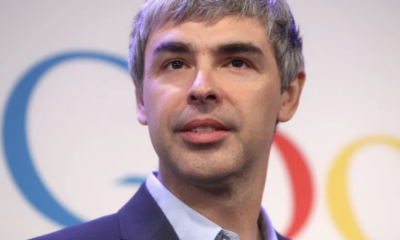
In 2022, Citadel founder Ken Griffin paid nearly $107 million for a bayfront estate. More recently, Google co-founder Larry Page spent approximately $188 million acquiring three Grove properties. And Inter Miami co-owner Jorge Mas sold a vacant waterfront parcel for around $100 million.
These aren’t just expensive home purchases. They’re a sign of something much bigger happening in Miami’s oldest neighborhood.
In 2019, the median single-family home price in Coconut Grove was $995,000. Today, my analysis of sales from January 1 through November 1, 2026, puts that number at $3.585 million.
That’s an extraordinary shift in just a few years, even accounting for the different reporting periods.
But the prices only tell half the story.
It’s Not Just the Billionaires
For every headline-making billionaire, there are families quietly arriving from New York, California, Chicago, and elsewhere.
Executives, entrepreneurs, fund managers, and parents looking for a different way of life.
And what fascinates me is that many aren’t necessarily looking for the biggest house or the flashiest address.
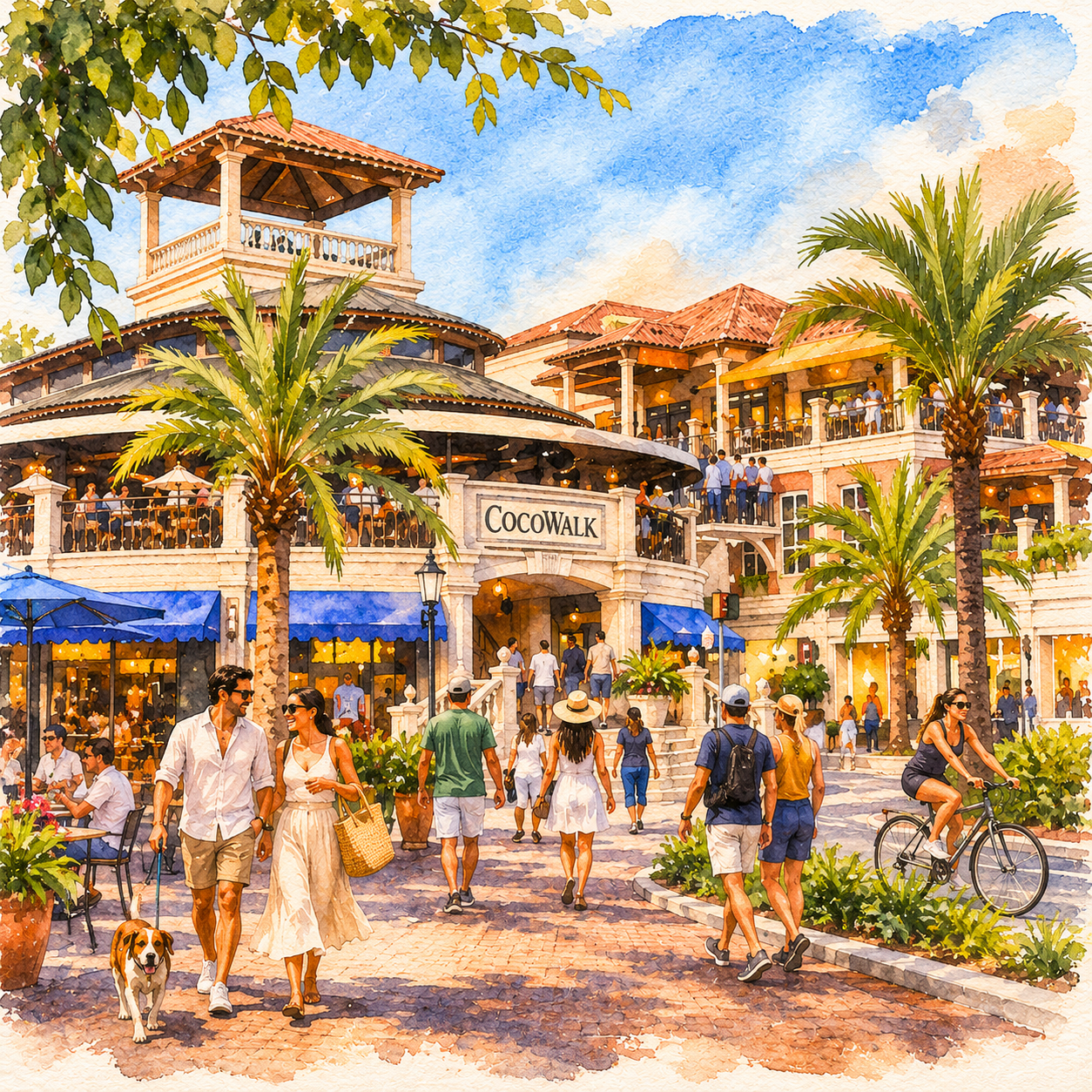
They want to walk their kids to school. Grab coffee on Main Highway. Spend Saturday mornings at the farmers market. Have dinner somewhere they recognize the owner.
They want the feeling of a small town without giving up the opportunities of a big city.
And that’s something Coconut Grove has always done remarkably well.
The New Status Symbol? A School Seat.
Ask a relocating family what matters most, and you’d be surprised how often the conversation starts with schools rather than real estate.
Ransom Everglades, Carrollton, and St. Stephen’s have become major draws for families considering the Grove.
But there’s a catch. Money can buy a house down the street. It can’t guarantee admission.
Ransom’s tuition is well over $50,000 for the 2026–27 school year, and competition for limited seats is intense. For some families, getting their children into the right school is what ultimately determines whether they make the move to South Florida.
For these buyers, the Grove isn’t simply a luxury destination. It’s a place to raise a family.
And that distinction matters.
The Price of Becoming Desirable
Of course, there’s another side to all this.
Earlier this year, The Last Carrot closed after more than 50 years on Grand Avenue, making way for a new luxury development.
For generations of Grovites, it wasn’t just somewhere to grab a juice or a spinach pie. It was part of the neighborhood’s identity.
And it’s hardly the only local business feeling the pressure of rising rents and redevelopment.
The irony isn’t lost on me.
People are willing to spend extraordinary amounts of money to live somewhere that feels authentic. But the more expensive that authenticity becomes, the harder it is for the people and businesses that created it to remain.
That’s the balancing act facing Coconut Grove.
And it isn’t entirely new.
The Grove has reinvented itself many times, from its early pioneer days to its bohemian years, through decades of redevelopment and now this extraordinary influx of wealth.
Some changes brought lasting benefits. Others left pieces of the old neighborhood behind.
What Kind of Grove Are We Building?
I don’t just sell real estate in the Grove. I live here, too. I understand its appeal, both as someone who calls it home and as someone who sees firsthand why others want to do the same.
I also believe investment can be a good thing. It can restore historic properties, support local businesses, improve public spaces, and bring new energy into a community.
Ken Griffin’s $20 million commitment to Vizcaya Village is one example of new wealth helping preserve something old.
But I think the real measure of Coconut Grove’s success won’t be how many billionaires move here or how high the next waterfront sale goes.
It’ll be whether the neighborhood still feels like the Grove when they do.
Because the banyan trees, the old houses, the independent businesses, the people who’ve been here for generations, and even a little of that wonderful Grove weirdness are what make this place special.
The new Grovites are buying into something that took more than a century to build.
The question is whether we’ll protect what made it worth buying in the first place.